
Clinical Research Training Scholarship in Parkinson’s Disease
By Natalie Omondi
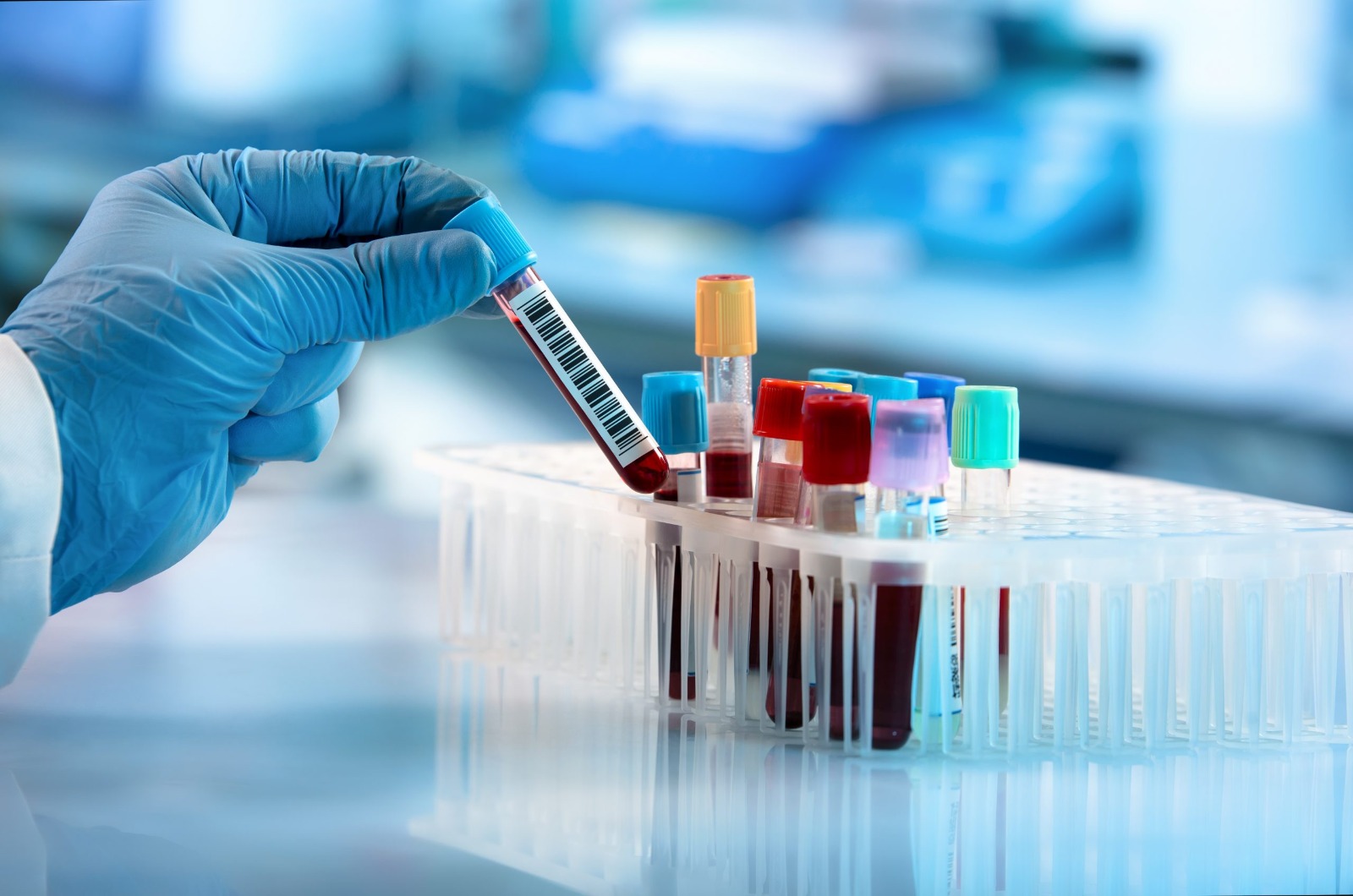
The Clinical Research Training Scholarship supports early-career researchers carrying out clinical and translational studies on Parkinson’s disease and other neurological conditions.
The two-year award offers up to $150,000 to help young investigators build academic careers in neurological research. It provides $65,000 a year in scholarship support and $10,000 a year for education and research expenses, totaling $75,000 annually.
The scholarship is open to researchers at accredited institutions in the United States and other countries. The programme supports research in Parkinson’s disease and related neurological conditions, including disease mechanisms, diagnosis, clinical trials, treatment, epidemiology, behavioural studies, health services and patient outcomes. It also supports research aimed at developing new diagnostic tools, therapies and technologies for neurological care.
Applicants must hold an MD, PhD or an equivalent doctoral-level clinical degree. They should have completed their residency or PhD within five years before July 1, 2027, be affiliated with an accredited institution and show interest in an academic career in neurological research.
Projects should have a clear link to neurological disease and patient care, diagnosis, treatment, prevention or health outcomes. Suitable projects may include studies on Parkinson’s disease, disease progression, risk factors, clinical trials, diagnostic technology, patient behaviour and healthcare delivery.
Applicants are expected to submit a clear proposal explaining the research question, objectives, methods, expected results and possible clinical or translational impact. They should also show how the scholarship will support their long-term career development.
Recipients may receive additional grant funding, but it must not exceed $75,000 per year.
The scholarship is intended to help develop the next generation of neurological research leaders and support research that can improve the understanding, diagnosis, treatment and prevention of neurological diseases.
