
Explained: What Happens to Ruto’s Presidency After High Court Election Ruling
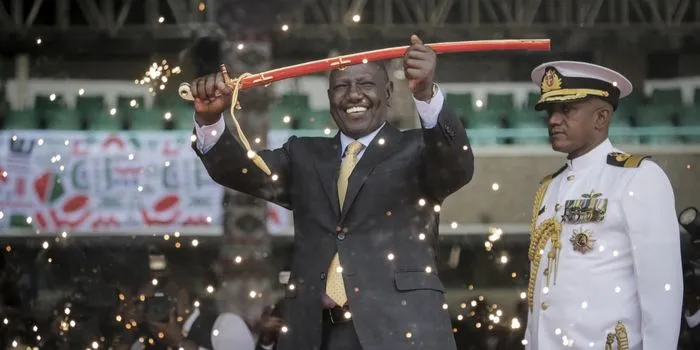
A Malindi High Court recently ruled that Kenya’s general elections must be held within the fifth year, a decision that has triggered fresh questions over the timing of the next elections and the length of President William Ruto’s current term.
The ruling has left many Kenyans asking whether it means President Ruto should leave State House this year or whether he can remain in office until the next President is elected and sworn in.
However, the decision does not automatically bring Ruto’s presidency to an end. The High Court suspended the implementation of its declaration, meaning there is no immediate transfer of power or requirement for the country to hold an election within days.
The constitutional question is therefore not simply whether an election date has passed, but what the Constitution says about the President’s term, when the presidency becomes vacant and what happens before a newly elected President assumes office.
Rules Surrounding Presidency, as Per the Constitution
Article 136 of the Constitution provides for the presidential election to be held on the same day as the general election of Members of Parliament, on the second Tuesday in August in every fifth year. This provision was central to the arguments surrounding the Malindi case and the court’s determination on the timing of the elections.
However, Article 142 provides an important distinction when it comes to the President’s tenure. It states that the President’s term begins when the President is sworn into office and ends when the person next elected President under Article 136(2)(a) is sworn into office.
This means the Constitution does not provide that the sitting President automatically leaves office simply because the date identified for an election has passed. The end of the President’s term is tied to the swearing-in of the person elected as the next President.
