
Tanzania Commissions 2,115MW Julius Nyerere Hydropower Project
By Irine Otieno
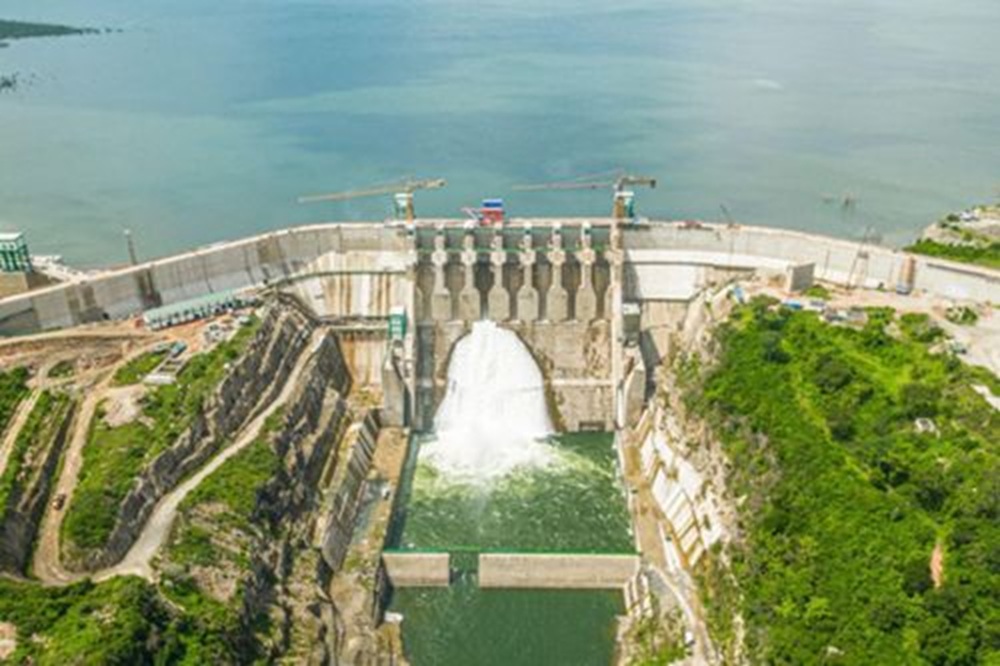
Tanzania has commissioned the 2,115-megawatt Julius Nyerere Hydropower Project (JNHPP), more than doubling the country’s electricity generation capacity and creating a significant power surplus that officials say could boost exports and industrial growth.
Built along the Rufiji River at a cost of about 7.45 trillion Tanzanian shillings ($2.84 billion), the project is Tanzania’s largest power plant. Its commissioning raises the country’s total installed generation capacity to 4,646 MW, compared with peak domestic demand of 2,271 MW.
The resulting 2,375 MW surplus could be supplied to neighbouring countries, with discussions already underway with potential buyers, including Kenya and Zambia.
Construction of the project began in 2019 despite criticism from environmental groups, who warned that the dam could affect wildlife and ecosystems connected to the Selous Game Reserve, one of Africa’s largest protected areas and a UNESCO World Heritage site.
The Tanzanian government has defended the project as vital to economic development and energy security. With the plant now fully operational, hydropower contributes about 60% of Tanzania’s electricity generation, while natural gas provides much of the remainder.
